No Tenants Yet? Why Your Bat Box Might Be Failing (And the Teesside Carpenters Fixing It)
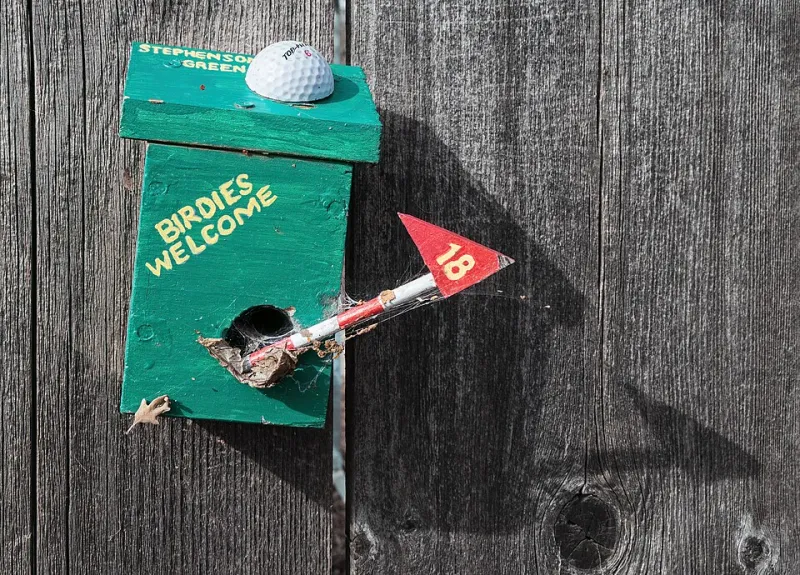
Photo: Radomianin, CC BY-SA 4.0, via Wikimedia Commons
There's a particular kind of disappointment familiar to anyone who's ever put up a bat box. You pick a tree, screw it up at a sensible height, stand back, and wait. And wait. Three summers later, the box is still empty, the wood is going green, and you're quietly wondering whether bats have simply decided your garden isn't good enough.
According to the volunteers who build and monitor roost boxes for Cleveland Bats, that's usually not bad luck. It's bad design — or bad placement — and both are fixable.
The Carpentry Squad
Every winter, a small crew of volunteer handymen gathers in a garage in Norton with a pile of untreated sawn timber, a couple of biscuit joints' worth of argument about kerf width, and a flask of tea. By spring, they've turned out dozens of boxes destined for woodland edges, churchyards and garden fences from Redcar to Yarm.
They don't just build them, though. They track them. Each box gets a number, a location and a monitoring schedule, so the group now has several years of data on which designs earn their keep. The short version? Roughly one in three boxes gets occupied within two years. The difference between the winners and the duds comes down to a handful of details.
What Bats Actually Want
Bats aren't fussy about aesthetics, but they are fussy about temperature, grip and darkness. The Cleveland monitoring records show clear preferences by species:
- Common pipistrelles — the default tenant across most of Teesside — favour boxes that heat up quickly. A box on a south or south-east facing surface, mounted on a tree trunk in a sunny clearing, will outperform a shaded box almost every time.
- Soprano pipistrelles are pickier about habitat, favouring boxes near water. If you've got a pond, stream or even a garden water feature, put your box nearby.
- Brown long-eared bats need space. The entrance slit has to run the full height of the box's internal chamber, because they fly into roosts rather than crawl. Narrow, half-depth crevice boxes are useless to them.
- Crevice specialists like natterer's bats will use multi-chamber boxes, but only if the internal roughness is right. Sawn timber left unplaned gives them something to haul themselves up; a sanded-smooth interior is a climbing wall with no holds.
The Mistakes We See Most
Ask the carpenters what goes wrong with DIY boxes and they'll recite a familiar list:
- Treated timber. Any wood preservative, stain or creosote is a no. Bats are small mammals with fast metabolisms — fumes that seem mild to us can be serious for them. Untreated rough-sawn cedar or exterior-grade ply, left to weather naturally, is the standard.
- Gaps that draught. A box with light leaking through the joints won't hold heat. The interior needs to be snug and dark; a bead of exterior wood glue on the joints solves most of it.
- A landing pad that isn't. Bats need a rough landing surface leading up to the entrance. If the front board is smooth, they can't get in.
- The wrong fixings. A box nailed hard against a trunk with no standoff kills two things: the tree and the inspection route. Leave a gap behind the box or mount it on a batten so you can slide a torch and endoscope in during checks.
- The gardenCentre special. Those charming decorative boxes with a little pitched roof and a cute cut-out bat on the front? Usually too small, too draughty and too smooth. Looks aren't occupancy.
Placement Beats Perfection
A mediocre box in the right spot will outperform a perfect box in the wrong one. The Cleveland records are blunt about this: height matters (anything below three metres is rarely used), sun exposure matters more, and a clear flight line matters most of all. A box hidden behind a wall of ivy might as well be in another postcode.
And patience is part of the deal. Even a well-sited box can take eighteen months to attract its first resident, particularly if there are better roosts nearby. Don't move it after one quiet summer — give it at least two full seasons before reconsidering.
One legal note worth repeating: if a box is occupied, it's a roost, and roosts are protected whether or not bats are present at the time. Monitor from the ground, don't open it during the summer maternity period, and if you're unsure, get in touch with a licensed worker through the group.
Build One Yourself
If you'd rather learn this hands-on, Cleveland Bats runs a winter box-building workshop — a day of sawdust, tea and mild disagreement about kerf widths, ending with a finished box and a placement plan for wherever you intend to hang it. Tools and timber are provided, and everything built goes either home with you or onto the group's monitoring list for local woods.
Check the events page on the site for the next date. Bring warm clothes; the garage in Norton is heated by enthusiasm and one elderly fan heater.
And if you've already got a box that's been sitting empty for years? Don't scrap it. Send us a photo and where it's sited — the carpenters are genuinely interested in the failures, because that's how the next design gets better.