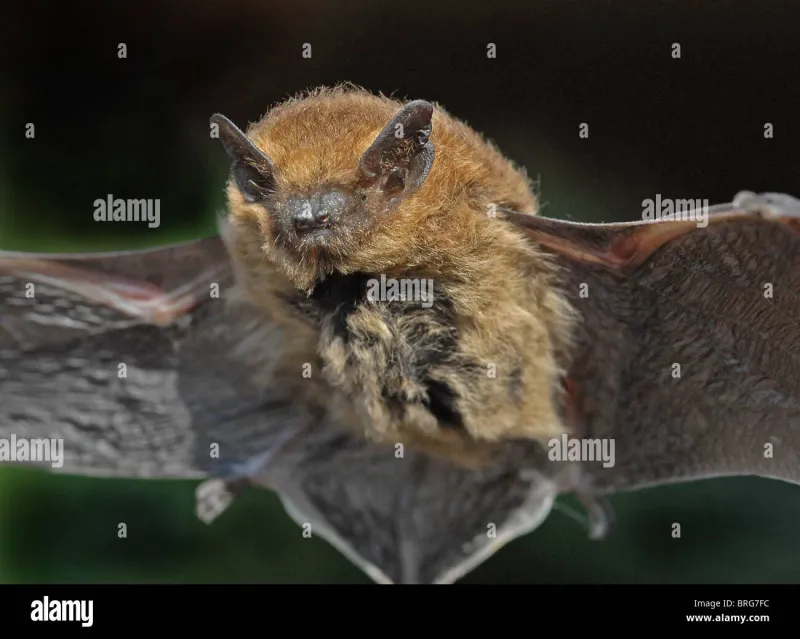
Dusk Patrols: Seven Riverside Rambles for Guaranteed Bat Watching on Teesside
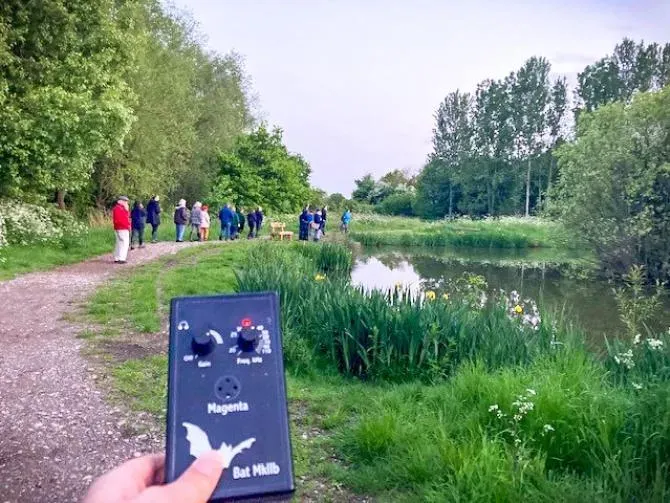
Photo: bat detector riverside dusk walk river UK, via www.sloughexpress.co.uk
There's a moment on every good bat walk when the light drops, the day-trippers have gone home, and suddenly — ping — the night shift clocks on. If you know where to stand, you can almost set your watch by it. After years of running volunteer surveys across Cleveland, we've got a pretty good idea of which stretches of the Tees deliver the goods. Here are our five favourite dusk-time rambles.
A quick word on kit: you don't need anything fancy. A basic heterodyne detector from £25–£40 will pick up pipistrelles at 45 kHz (common) and 55 kHz (soprano). Tune in, wait for the clicks, and you'll never look at a dark river the same way again.
1. Tees Barrage to Preston Park, Stockton
Start at the Barrage around sunset and follow the riverside path upstream. The calmed water here acts like an insect trap, and the mix of old industrial structures and riverside trees suits pipistrelles perfectly. Expect common pipistrelles almost immediately, with soprano pips and the occasional Daubenton's bat skimming low over the surface as darkness settles.
Best time: May to September, 30–45 minutes after sunset.
2. Portrack Marsh Nature Reserve
Tucked behind the industrial estates near Thornaby, this reserve is a proper urban gem. The old sand and gravel workings have filled with water, and the wetland margins are alive with midges — bat food, in other words. Our surveys here regularly log double-digit species counts in a single evening. Listen for soprano pipistrelles over the open water and noctules — one of Britain's largest bats — making their early, high-flying pass just as the sun dips.
Best time: June to August; arrive just before sunset for the noctules.
3. Ropner Park Lake and Coble Dene, Stockton
Not strictly riverside, but this leafy park connects to the Tees corridor via dark tree-lined avenues that bats use as commuting routes. It's an ideal beginner's spot: well-known, easy parking, and pipistrelles hunting around the lake within minutes of dusk. Bring the family — this is the walk we recommend most often to first-timers.
Best time: May to August.
4. Eston Hills Edge and the Tees Estuary Views
Park near Eston and take the paths that edge the hills overlooking the estuary. From up here you can watch bats emerging from the wooded valleys below, and on warm still evenings the view over the Tees at twilight is worth the climb on its own. Pipistrelles dominate, but the mix of scrub, woodland and old quarry features means you may catch the slower, deeper calls of brown long-eared bats in the sheltered spots.
Best time: July to September; check access and torch up for the descent.
5. Yarm Riverside and the Old Bridge
Yarm's riverside path is short, pretty and remarkably productive. The bridge structures, moored boats and tree cover along the cobbles create perfect hunting habitat, and the town's warmth holds insects aloft well into the evening. Common pipistrelles are near-guaranteed; on quieter nights, Daubenton's bats work the water surface below the bridge like tiny hovercraft.
Best time: May to September, and early September is brilliant for mating-season activity.
Making the Most of Your Walk
A few tips from our volunteer teams:
- Dress warm. Even in July, standing still by a river after dark gets chilly. Bring more layers than you think you need.
- Keep quiet and stay still. Bats avoid disturbance, and your ears are your best tool once you've got the detector tuned.
- Never handle a bat. If you find a grounded bat, cover it with a box and contact a licensed carer or the Bat Conservation Trust helpline.
- Log what you see. Records from casual walkers are genuinely valuable for local conservation — note the location, time, and detector frequency if you can.
If one of these walks hooks you — and honestly, it usually does — come along to one of our organised bat walks or volunteer survey evenings. We supply the detectors, the expertise and usually the flask of tea. All you need to bring is a bit of curiosity and a good pair of boots.