Sold, Subject to Soprano Pipistrelles: A House Sale Meets a Bat Roost in Saltburn
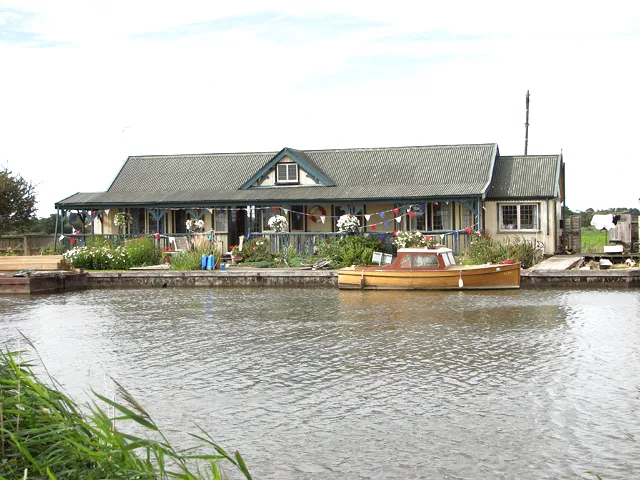
Photo: Evelyn Simak , CC BY-SA 2.0, via Wikimedia Commons
Every so often the Cleveland Bats helpline rings with the same shaky voice on the other end: "We're in the middle of buying a house and the survey's found bats. Does this mean it's all off?"
Short answer: almost never. Long answer: worth walking through properly, because the rumours are worse than the reality. So here's a fictionalised but very typical Teesside case — names changed, droppings real — of what actually happens when a house sale uncovers a roost.
The Moment It's Found
Meet Margaret, selling a 1930s bungalow just off Marske Road in Saltburn. The buyers' surveyor pokes his head into the loft hatch during a standard homebuyer's survey and spots a scatter of small, dark droppings along the joists, plus what he describes as "insect remains and a papery smear" near the gable end. He writes in his report: possible bat roost — specialist advice recommended.
Cue the phone calls. Cue Margaret assuming her sale is dead. Cue the estate agent hedging in every email.
Here's the first thing to understand: finding evidence of bats is not a legal problem — disturbing them is. All UK bat species and their roosts are protected under the Wildlife and Countryside Act 1981 and the Conservation of Habitats and Species Regulations. That protection applies whether or not the bats are actually in residence at the time, because bats return to the same roosts year after year. But it doesn't stop you buying, selling, insuring or living in a house. It just means you plan around the bats.
Who Gets Called, and When
The buyer's solicitor will typically ask for a bat scoping survey — a look at the droppings, access points and roost potential, carried out by a licensed ecological consultant. In our Saltburn case, that survey takes place within a fortnight, costs the buyers around £300–£400 (this is the bit that surprises people: the buyers usually pay, not the seller), and concludes that the loft supports a summer roost of common and soprano pipistrelles, accessing through a gap under the barge boards.
No further surveys needed, because nobody's proposing to touch the roost. The bats live in the roof; the humans live below it. That's the end of the ecological involvement — no licence required, no works planned, case closed.
If the new owners had wanted to convert the loft, re-roof, or treat timber, that's when things get more involved: a longer survey at the right time of year (typically May to August for emergence counts), possibly a European Protected Species licence from Natural England, and a mitigation plan. But a straightforward sale with bats in situ? Usually a two-week wobble, not a deal-breaker.
What It Costs, Honestly
Let's be straight, because this is where estate agents go quiet. In a case like Margaret's:
- The scoping survey: a few hundred pounds, typically borne by the buyer.
- Delays: two to four weeks while the survey is arranged and the report lands. Not months.
- The sale price: essentially unaffected. Lenders don't blink at roosts in situ; they blink at repair bills and legal risk, and a roost that nobody's disturbing has neither.
- Ongoing costs for the new owners: none, unless they want to do building works. Even then, mitigation is often cheaper than feared, and Natural England's licensing process is far more streamlined than its reputation.
The bigger financial risk is actually the opposite problem: someone quietly excluding or blocking bats during works without a licence. That's a criminal offence, and it surfaces on survey after survey in older Cleveland housing stock. If you're buying a period property, a roost that's properly documented is arguably a good sign — it means nobody's been meddling.
Advice for Each Side of the Sale
For sellers: don't hide it. If you know you have bats, say so. A documented roost with a clean history is a ten-minute conversation; a "discovered" one mid-conveyancing breeds suspicion about what else wasn't disclosed.
For buyers: a possible roost in the survey is a prompt for one specialist visit, not a reason to walk away. Ask whether the evidence suggests a summer pipistrelle roost (very common, low impact) or something like a brown long-eared or hibernation site (more sensitive, more paperwork if you ever want to do works).
For estate agents: the fastest way to lose a sale is a week of "I'll get back to you." Have a one-paragraph explainer ready. Bats in the loft are as normal on Teesside as a wasp nest — and considerably better protected, and considerably better tenants.
Why We'd Argue It's a Selling Point
Here's the opinion bit, because this is an Opinion piece and we're allowed one. A house with a pipistrelle roost means a garden where every June evening, thirty grams of mouse-eared pest control hoovers up thousands of midges and mosquitoes above your patio. That's not a liability. That's an amenity.
If you're mid-sale and a survey has just turned your world upside down, drop us a line at Cleveland Bats. We can't do the survey — you'll need a licensed consultant for that — but we can tell you, honestly and for free, whether what you've found is the end of the world or just the start of an unusually good conversation piece at dinner parties.
Margaret's bungalow sold in September. The new owners left the barge board gap alone, and last summer they sent us a photo of a bat detector reading from their back step. Sixty-one kHz. Soprano pipistrelle. Right on time.