Young Blood, Warm Tea, Cold Lofts: A Season in the Field With Teesside's Youngest Licensed Bat Worker
Photo: George James Allman, Public domain, via Wikimedia Commons
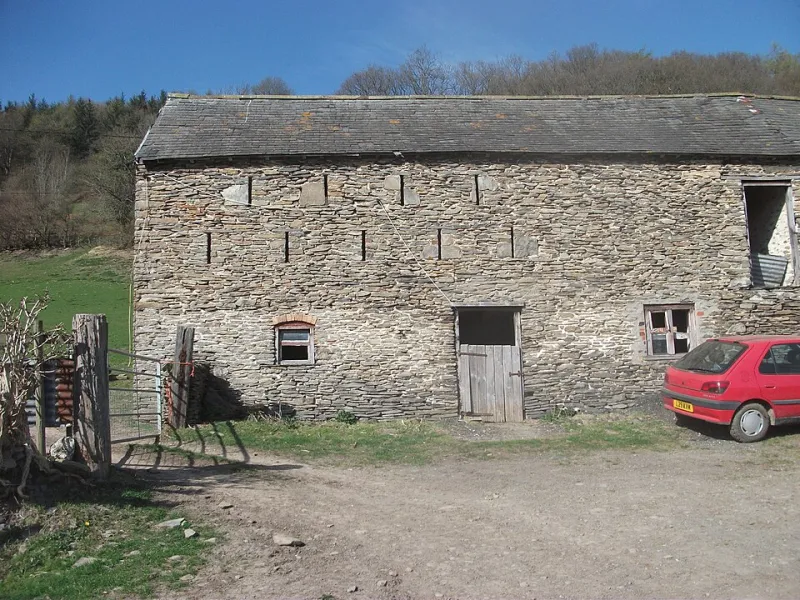
It's 5.40am on a Tuesday in June and Megan Atkinson, twenty-eight, is standing in a farmyard near Yarm holding a flask of tea and a ladder that's clearly older than she is. The farmer, up early himself, gives her a nod and points at the barn door. By six o'clock she's in the loft, head torch on, counting droppings and trying not to put her hand anywhere she can't see.
This is what the start of a bat survey season actually looks like. Not the dusk walks with twenty kids and three dogs — she's done those too — but the unglamorous, early-morning graft that keeps the whole system ticking.
What a licence actually means
The phrase 'licensed bat worker' gets thrown around a lot, and most people assume it means something official and mysterious. In practice, Megan explains, it means she holds a survey licence from Natural England, which permits her to enter and inspect known or suspected roosts — something that's otherwise an offence under the Wildlife and Countryside Act.
"Getting it isn't a course you book on a Saturday," she says, wedged between a beam and a water tank. "You need references from existing licence holders, a logbook of experience, evidence you can identify species from droppings, calls and, if you're lucky, an actual bat. Then you wait."
Her route in was a mixture of volunteer hours with local groups, a structured training scheme, and an awful lot of standing in cold car parks learning what a soprano pipistrelle sounds like on a heterodyne detector versus a common one. Two years, start to finish. She knows people for whom it took five.
The age gap nobody wants to talk about
Ask anyone who's run a bat group in the North East for a decade and they'll tell you the same thing: the committee is getting older and the spare room is full of equipment nobody under fifty knows how to calibrate. Megan is, by her own reckoning, the youngest fully licensed bat worker active in the Cleveland area — and she didn't get there by accident.
She's candid about the schemes that helped. Structured routes like the Ecology Training Academy pathway, which pairs trainees with consultancies and licensed ecologists, have genuinely lowered a barrier that used to be almost entirely about who you knew. "Ten years ago you needed a lucky introduction. Now there's at least a map, even if the map still has gaps in it."
But she's equally clear about what the brochures leave out. Paid traineeships are scarce. Volunteer-led experience — the traditional route — is squeezed between full-time jobs and rent that doesn't care about your passion for hibernation counts. "The real bottleneck isn't enthusiasm," she says. "It's that the first two years are unpaid, exhausting, and depend on someone older lending you their time."
A season in numbers
Her year, roughly: eleven preliminary roost assessments for planning cases, four dusk emergence counts, two dawn re-entry surveys (worse than dusk, she insists — you start at 3am and the tea goes cold), one hibernation check in a disused railway culvert near Guisborough in February, and one very memorable soprano pipistrelle maternity roost in a chapel roof outside Saltburn.
The hibernation count deserves a mention. Once a winter, licensed workers peer into dark, damp places — culverts, ice houses, the back of church boiler rooms — counting torpid bats hanging in crevices. It's delicate work; waking a hibernating bat costs it precious fat reserves. Megan describes it as "the most careful I am all year, holding my breath in a space the size of a wardrobe, whispering numbers to my recorder."
Why it matters for Teesside
Every planning application that touches a roof, a barn or a bridge in this area eventually needs someone like Megan. Without licensed workers, surveys don't happen, mitigation doesn't get checked, and bats quietly lose out in the gaps. The grey-hair problem isn't sentimental — it's operational.
Her advice to anyone under thirty wondering whether this is a realistic path: start with a detector and a local group walk, keep a proper logbook from day one, and don't underestimate how much a farmer's kettle and a good relationship with a mentor are worth.
By half eight on that June morning, she's back in the farmyard, ladder on the roof rack, telling the farmer there's a pipistrelle day roost behind the lintel and it's nothing to worry about — legally protected, but easily worked around. He offers her a second cup of tea. She accepts.
The torch, it turns out, isn't being passed. Someone younger is simply climbing up and taking it.