Thirty Nights, One Garden, 4,213 Passes: What Our Marton Detector Actually Recorded
When committee member Dave offered to leave his full-spectrum static detector in his Marton garden for a month, we expected a nice little dataset. A few hundred pipistrelle passes, maybe a brown long-eared if we were lucky. What we got instead was 4,213 recorded bat passes, thirty nights of data and one very large spreadsheet — and a genuinely useful snapshot of how bats use an ordinary Teesside garden.
The Setup
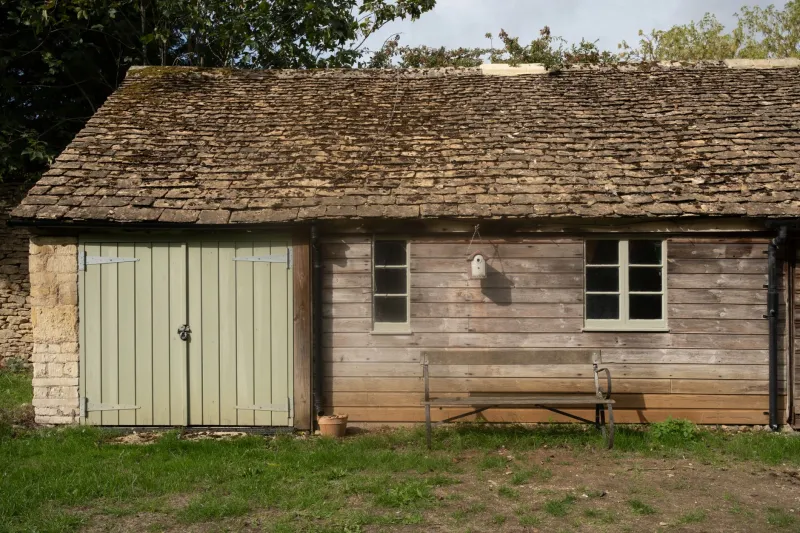
Dave's garden is nothing special, which is precisely why it matters. A typical 1930s semi on the edge of Marton, backing onto a strip of scrubby land that eventually leads down towards the backwater streams near the old brook. No pond, a couple of elder bushes, a compost heap and a shed that's seen better days. In other words: exactly the kind of garden most of Teesside lives in.
The detector — one of our group's static units, mounted on the shed wall at about two metres — ran from half an hour before dusk to half an hour after dawn, every night in June. It captures the ultrasonic calls bats use to hunt and navigate, and logs each one as a sound file we can later identify to species.
Who Turned Up
Five species were recorded, which frankly surprised us all:
- Common pipistrelle — 3,891 passes (92.3%)
- Soprano pipistrelle — 214 passes (5.1%)
- Noctule — 58 passes (1.4%)
- Brown long-eared bat — 41 passes (1.0%)
- Natterer's bat — 9 passes (0.2%)
The pipistrelle dominance was expected. Common pipistrelles are the scrapbookers of the bat world — adaptable, tolerant of light and happy to feed over gardens. What was more interesting was the rhythm of their activity, and the way the rarer species slotted into it.
The Two-Hour Frenzy
If you plot Dave's data hour by hour, a pattern jumps off the page. Bats weren't active evenly through the night. Nearly two-thirds of all recorded passes happened in the first two hours after sunset, with a distinct secondary peak just before dawn.
Between roughly 1am and 3am, the garden went almost silent. We're calling it the 2am lull, and it showed up on nearly every night, wet or dry.
Why does this matter? Because it tells us something practical about insect availability. Pipistrelles are largely feeding on swarms of small flies, and those swarms — midges, gnats, the tiny flies that gather in the warm air above roofs and hedges — are most abundant in the evening and again in the cool air before dawn. The middle of the night is a dead zone, so the bats either roost, rest in sheltered spots, or move to different feeding areas entirely.
For conservation planning, this is gold. It suggests that a single evening survey at dusk, the standard approach for many small-scale assessments, might genuinely capture the bulk of garden bat activity — but it also warns us that a garden can look 'quiet' on a midnight survey and still be important. Timing shapes what we see.
The Quiet Specialists
The brown long-eared and Natterer's records were the real prizes. Both species are quiet-callers — they whisper rather than shout — so a static detector is often the only way to pick them up in a garden at all.
The brown long-eared activity clustered around the elder bushes and the shed, which fits what we know about the species: they're gleaners, picking moths and other prey straight off leaves and walls rather than hawking in open air. Nine Natterer's passes over a single night mid-month suggests that animal was commuting through, probably heading from a roost towards the water corridor at the bottom of the gardens.
One garden. Five species. A commute route and a feeding patch. Multiply that by every street in Middlesbrough, Redcar and Stockton, and you start to see why gardens matter so much.
What You Can Do
We're not asking you to buy a £1,000 detector. But if this has whetted your appetite:
- Record what you see and hear. Even a casual note of bats over your garden on a warm evening is a record worth logging. Send it to us and it goes into the county dataset.
- Leave the dark bits dark. The 2am lull is partly about rest — motion-sensor lighting and dark hedges give bats somewhere to sit it out.
- Join a session. We run static detector deployments across Teesside through the summer, and we always need volunteers to help download and identify sound files. No experience needed — we'll teach you the calls.
Dave's detector is now sitting in a garden in Normanby, collecting month two. We'll let you know what turns up.