Still, Warm and Slightly Muggy: Why Tonight Might Be the Best Bat-Watching Evening of the Year
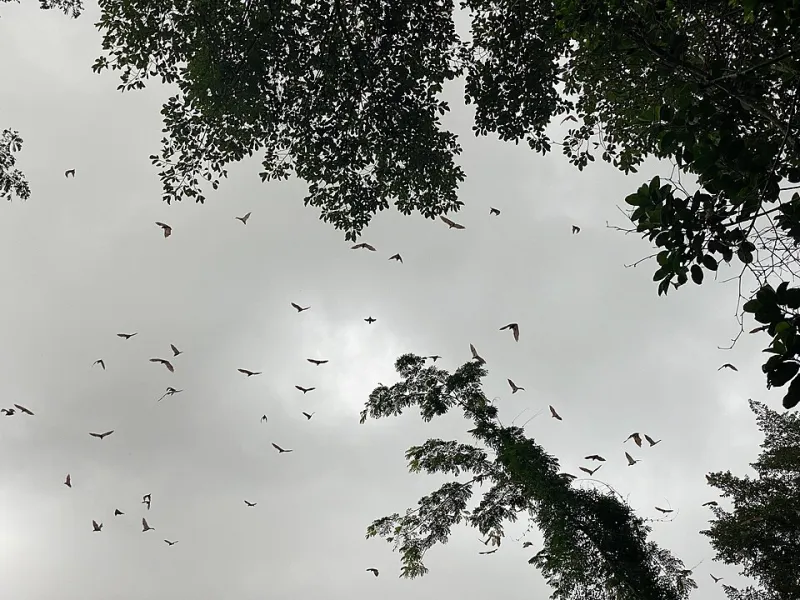
Photo: Maame1Yaa, CC BY-SA 4.0, via Wikimedia Commons
There's a particular kind of disappointment known to every bat worker in Teesside. You've packed the detector, you've lured three friends along with promises of spectacle, you've hauled everyone up to the old railway cutting near Skelton — and the only thing flying is the drizzle. Meanwhile, three nights earlier, a casual stroll along the Tees at dusk had produced more soprano pipistrelles than you could shake a bat box at.
The difference? Almost always, it's the weather. And once you learn to read a forecast the way a bat reads the night, your hit rate improves enormously.
The Magic Number: 10 Degrees
Bats are small mammals with a huge surface area relative to their body weight, which means they burn through energy fast when it's cold. Insect availability drops off a cliff too — no midges, no moths, no dinner. So most of our Cleveland bats simply won't bother flying until the air temperature reaches around 10°C at dusk.
In practice, that means early spring and late autumn evenings can be a lottery. A mild April night after a sunny day? Worth a go. A brisk May evening with a northerly breeze coming off the North Sea? Don't bother — the bats certainly won't.
Come summer, the rule relaxes. By July and August, a mild evening after a warm day will almost always produce activity, even if temperatures dip into the low teens after dark.
Wind: The Silent Party-Pooper
Temperature alone isn't enough. Strong wind makes flying — and echolocating — hard work, and it scatters the insects that bats hunt. As a rough guide, anything above a gentle breeze (say, force 4 on the Beaufort scale, when leaves are constantly moving) will noticeably quieten things down.
Sheltered spots punch above their weight on breezy nights. A woodland edge at Guisborough Forest, a sunken lane in the Cleveland Hills or the lee side of a bridge over the Leven will all hold more bats than an exposed clifftop at Saltburn, however spectacular the views.
The Golden Combination: Still, Warm and Humid
Ask any experienced bat worker when their best nights happen and you'll get the same answer: warm, still, slightly muggy evenings, usually in August or early September. Humid, windless nights are insect bonanzas — swarms of midges and gnats hang in the air in clouds — and the bats know it. It's the nights when you can feel the warmth rising off the pavement in Stokesley or the harbour wall at Hartlepool that the sky really comes alive.
If the forecast says "warm, light winds, feeling humid" for an August evening, cancel your plans. That's your bat night.
Rain, and When to Call It
Light drizzle doesn't always stop bats entirely — we've seen pipistrelles hawking through fine mist over ponds in Stewart Park. But steady rain, or heavy showers rolling in, will clear the sky. Bats can't echolocate well through heavy rain, and wet fur costs them valuable energy. If the radar shows a band of rain arriving around dusk, either go earlier or stay in with a brew.
What a Cold Snap Means for Your Roost
If you monitor a roost through the summer, keep an eye on the weather in the other direction too. A sudden late cold snap can force bats to abandon a maternity roost temporarily, dropping into torpor to save energy — or in the worst cases, in June, it can cost pups their lives if mothers can't feed. If you count a roost after a cold week and the numbers are down, don't panic. Give it a few warm nights and check again before assuming the worst.
Planning Your Next Walk
A quick checklist for your next Cleveland bat outing:
- Dusk temperature above 10°C — check the hourly forecast, not just the daily high
- Wind below force 4 — and pick sheltered locations if it's breezy
- No rain at dusk — even a 45-minute dry window works
- Warm day before — a sunny afternoon heating up the landscape is a bonus
- Humidity is your friend — muggy beats crisp, every time
Check the Met Office hourly forecast for your specific spot — conditions at Guisborough can differ wildly from those on the coast — and time your arrival for half an hour before sunset. Bats usually emerge shortly after, though in cold weather they'll wait longer, so give it a full hour before giving up.
Get it right, and there's nothing in British wildlife quite like it: the first crackle in the detector, the first flicker overhead, and a warm Cleveland night full of wings. See you out there.