When the Lights Stay On: How Teesside's LED Switch Is Leaving Bats in the Dark

Photo by Photo by T on Unsplash on Unsplash
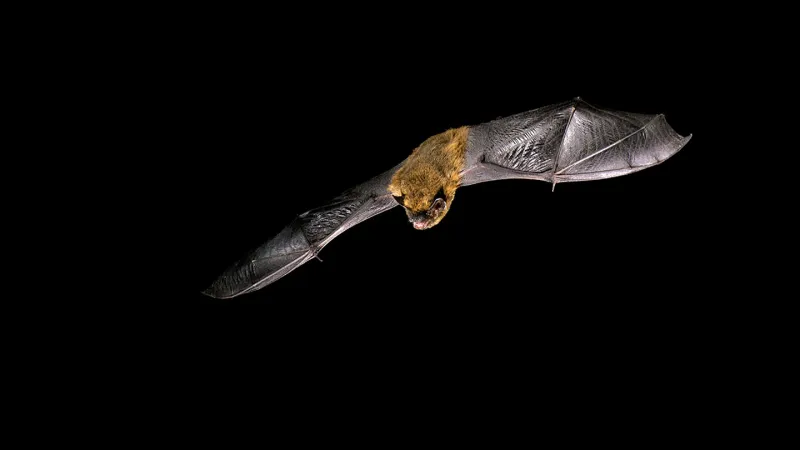
Stand on the edge of Great Ayton or Newton-under-Rosewood just after dusk in late May and, if you're lucky, you'll catch the flicker of a pipistrelle stitching its way along a hedgerow. Now notice something else: how bright the lane is. Ten years ago that road would have been a dim amber corridor. Tonight it's floodlit in cold white, and the bat is gone.
The great LED switchover has quietly transformed the night across Teesside and the wider Cleveland area, and while our energy bills have shrunk, something else has been lost along the way.
Why Light Is a Wall to a Bat
Bats are creatures of the dark for good reason. Their echolocation works brilliantly, but so do the senses of the predators that hunt them — and a pipistrelle crossing a bright, open space is far easier for a barn owl or a sparrowhawk to spot. Research from the Bat Conservation Trust and university labs across the UK has shown time and again that light-averse species, including our beloved common pipistrelle and the long-eared bats hiding in church roofs, will simply refuse to cross illuminated gaps.
The result is a severed commuting route. A hedgerow that once funneled bats from a maternity roost to a feeding pond can become useless overnight if a single new lamp is installed at the wrong spot. Bats don't negotiate obstacles; they abandon routes.
The LED Problem
Older sodium streetlights glowed orange, and while no bat enjoys a spotlight, warm amber light interferes far less with their behaviour. Modern LEDs typically emit a broad white spectrum heavy in the blue end — precisely the wavelengths that suppress melatonin in mammals and make the night feel, to a bat, like noon.
Add to that the fact that LEDs are cheap to run, so councils and developers have been tempted to install more of them, at higher output, on residential lanes that were previously dim or unlit. In villages across East Cleveland, lanes that were once dark corridors between roost and river are now lit like retail parks.
Not All Lighting Is Equal
Here's the hopeful bit: this is entirely fixable, and lighting engineers are increasingly on side. The solutions are well understood:
- Warm-spectrum LEDs (below 2700K) that cut out the blue-heavy light bats find most disruptive
- Part-night dimming schedules, dropping output to 20% or switching off between midnight and 5am when bat activity peaks
- Back-shielded and downward-facing fittings that keep light on the pavement rather than spilling into hedgerows
- Strategic placement, keeping new columns away from tree lines, watercourses and known roost entrances
Several councils have already adopted these measures. Redcar & Cleveland and Stockton have both run part-night lighting trials on residential roads. The technology exists off the shelf; what's often missing is the local voice asking for it.
What You Can Do at Parish Level
Parish and town councils are where lighting decisions are made for most of our villages — and they're remarkably responsive to a well-informed resident. If a new lighting scheme is proposed in your area:
- Ask for the colour temperature in writing. Anything above 3000K is worth challenging.
- Request part-night dimming on lanes near water, woodland or old buildings.
- Flag known bat routes. If you've recorded bats on a detector along a hedgerow (and if you've been on one of our dusk walks, you may well have), say so in your consultation response.
- Point to the savings. Dimming LEDs at night saves energy too — this isn't a fight between bats and the balance sheet.
You don't need to be an ecologist. You just need to ask the right questions at the right meeting.
Come and See for Yourself
There's no substitute for standing under a bright lamp on a June evening and watching it — quite literally — cast a shadow across the night. We run bat walks throughout the summer across Teesside, and we'd love to show you the difference between a dark lane and a lit one. Bring a torch, but keep it pointed at the ground. The bats will thank you.