Eavesdropping on the Night: A Beginner's Guide to Bat Detecting in Cleveland
Photo: The U.S. Army, Public domain, via Wikimedia Commons
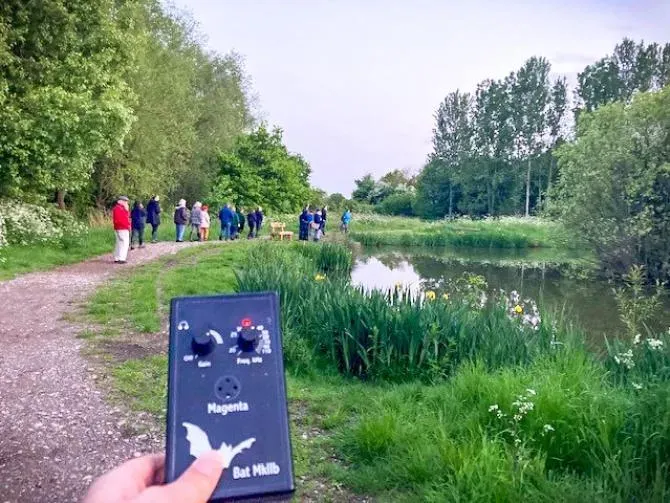
There's a moment on nearly every Cleveland Bats dusk walk when someone stops mid-sentence and whispers: "Was that one?" A flicker against the fading sky, a shape too erratic for a swift, too small for a bird of prey. Yes — that was a bat. And here's the exciting part: with the right kit, you don't just have to watch them. You can hear them, and even work out which species they are.
Why You Can't Hear a Bat (Mostly)
Most of Britain's bats echolocate at frequencies well above the range of human hearing — often between 30 and 110 kilohertz, when our ears top out around 17kHz on a good day. A bat detector works like a radio tuner for the animal kingdom: it takes those ultrasonic calls and converts them into something we can hear.
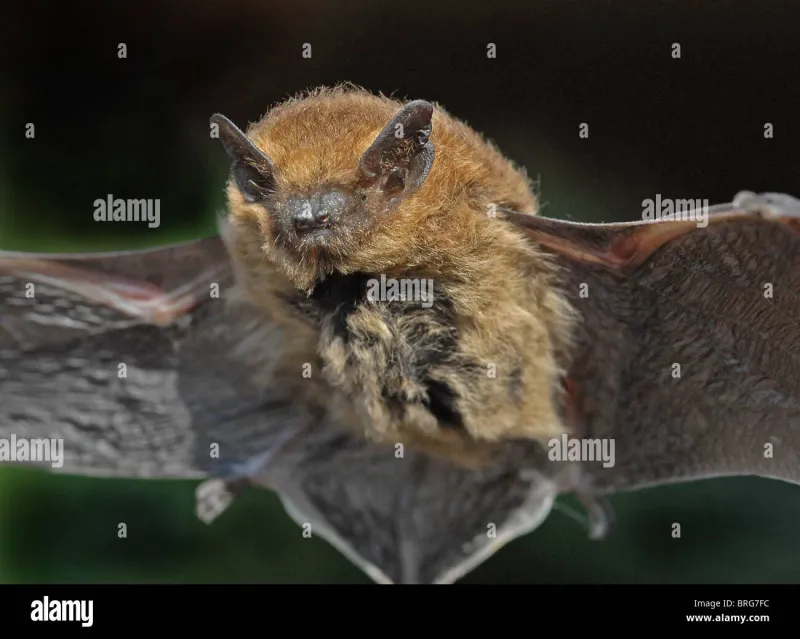
The common pipistrelle, our most abundant Teesside species, shouts at around 45kHz. Soprano pipistrelles — yes, that's the real name — call higher, at about 55kHz. Brown long-eared bats whisper so quietly you'll need to be practically on top of them, while noctules boom out at a much lower pitch from high overhead. Each species has a signature, and once you've learned a few, the night sky becomes a conversation.
Choosing Your First Detector
You don't need to spend a fortune, and you certainly don't need to start with the £1,000-plus professional kit used by ecologists.
- Entry-level heterodyne detectors (£30–£90): Models like the Batbox Baton or EcoStar let you tune a dial through the frequencies and listen live. Perfect for beginners — simple, robust, and brilliant for learning by ear.
- Full-spectrum recorders (£100+): These capture all frequencies at once, allowing you to analyse calls afterwards on a computer or via software like Kaleidoscope. A great second purchase once you're hooked.
- Smartphone apps: Apps such as Bat Detective won't detect ultrasound through your phone's microphone (it simply can't hear those frequencies), but they're excellent for logging sightings, learning call identification from recordings, and finding local hotspots.
Our advice? Start cheap. A basic heterodyne detector and a warm coat will take you further than you'd think.
Where to Listen in Teesside
Water is your friend. Pipistrelles feed along the River Tees, through Cowpen Bewley Woodland Park, and around the ponds at Ropner Park in Stockton. Soprano pipistrelles favour riparian corridors near Norton and the billingham beck areas. If you have a large garden with mature trees — or a street with old lime trees — leave the detector by an open window on a mild evening from May to September.
The best conditions are still, dry nights above about 10°C. Arrive twenty minutes after sunset, switch on, and tune to 45kHz first. Give it a good ten minutes before moving on; bat activity comes in waves.
What You're Hearing: A Quick Decoder
- Rapid, regular clicks at 45kHz: Common pipistrelle. Sounds a bit like a Geiger counter.
- Wetter, slower smacks at 55kHz: Soprano pipistrelle.
- Deep, slow chops: Probably a noctule hunting high above you.
- A feeding buzz — calls speeding up into a blur — means a bat has just caught an insect. Congratulations, you've witnessed dinner.
Recording Responsibly
A few ground rules from all of us at Cleveland Bats. Never use lights or flash to spot bats — it disturbs their feeding and can cause them to abandon roosts. Keep recordings of roost locations private; share species and grid references, not exact roost entrances. Stick to public footpaths and rights of way, and if you're near a known roost, keep sessions brief and move on.
Your Hobby Data Has Real Value
Here's the bit we love most: the records you collect genuinely matter. The North East Bat Group and local record centres feed verified sightings into planning and conservation decisions. That soprano pipistrelle you logged over the Tees Barrage could support a case for protecting a stretch of riverbank from development.
If you'd like to take it further, come along to one of our guided detector walks across the Cleveland area — we'll lend you the kit, teach you the calls, and show you how to submit your records properly. The night is louder than you think. All you have to do is tune in.