Stone, Slate and Silence: Why Our Old Churches Keep Teesside's Bats Alive
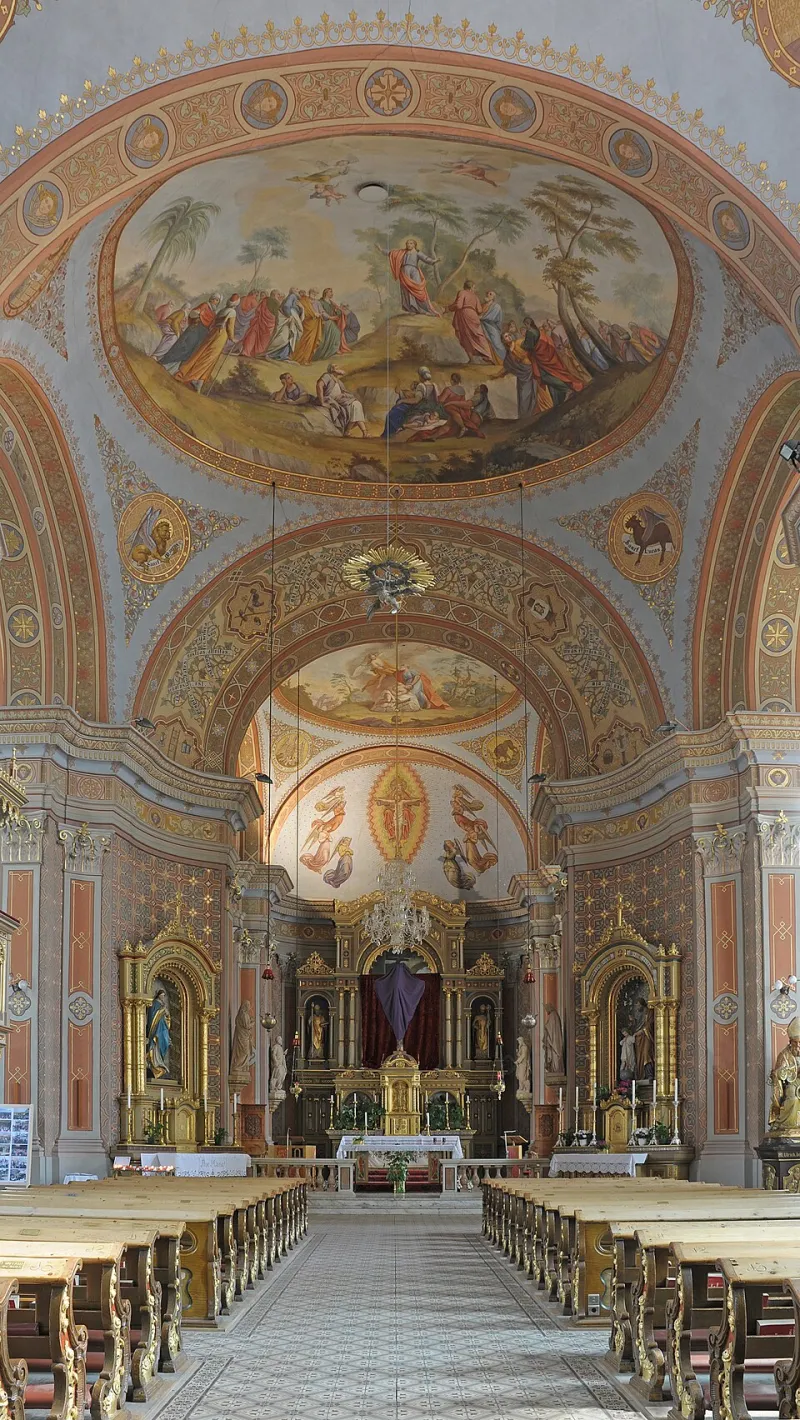
Photo: This Photo was taken by Wolfgang Moroder. Feel free to use my photos, but please mention me as the author and send me a message. This image is not in the public domain. Please respect the copyright protection. It may only be used according
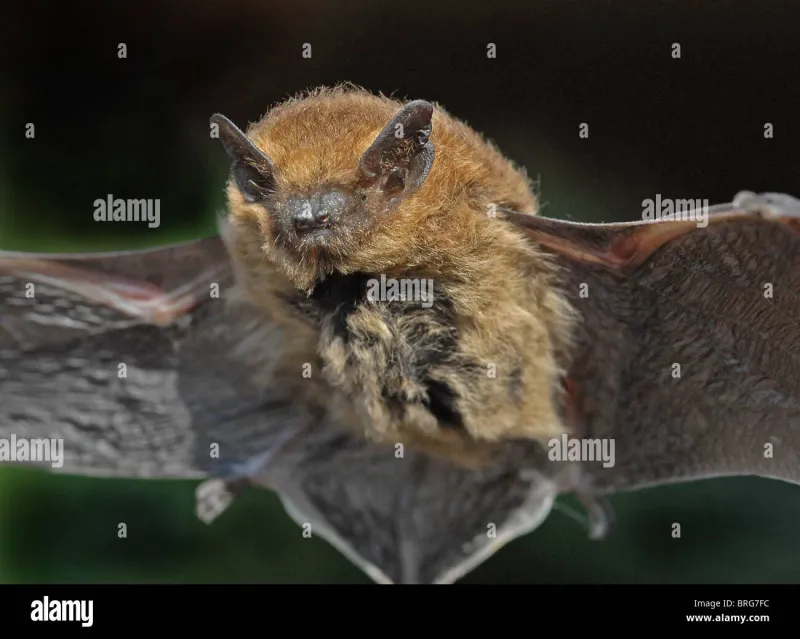
Stand in the churchyard of St Cuthbert's on a July evening and, if you know what to look for, you'll see them: pipistrelles flitting between the yew trees, a brown long-eared bat slipping through the porch gap. Across the Cleveland area — from the old churches of Stockton and Yarm to the rural parishes dotting the Tees lowlands — our historic churches have quietly become some of the most important bat refuges in the region.
We think this deserves far more attention than it gets. And frankly, we think it deserves better cooperation between the people who look after these buildings and the people who care about the wildlife inside them.
Why Churches Work So Well for Bats
A medieval church is, quite accidentally, an ideal bat roost. Think about what a bat needs: a dry, undisturbed space with stable temperatures, a good range of entrance points, and shelter from predators. Now picture a typical Cleveland parish church — thick stone walls that buffer temperature swings, a void between roof slates and timbers that never gets disturbed, and generations of small gaps around lead flashing, louvres and vestry doors.
Add the churchyard itself and the picture completes. Old grassland managed on a relaxed mowing regime, headstones riddled with lichen and crevices, hedgerows and tree lines connecting the site to the wider landscape. Foraging corridors run straight through many of our churchyards, and the insect-rich habitat that relaxed grassland management encourages feeds exactly the species roosting above the pews.
Brown long-eared bats, in particular, have a strong affinity for churches — they favour the large, dark roof voids where they can hang undisturbed. Natterer's bats, whiskered bats and pipistrelle species all turn up regularly in church surveys across the North East.
An Underappreciated Conservation Asset
Here's our central point: as modern buildings have become progressively more sealed, insulated and inhospitable, older church buildings have become disproportionately important. A roost lost in a barn conversion or a re-roofed bungalow has fewer and fewer substitutes. Churches are among the last reliable refuges left.
Yet bat conservation in churches often feels like an afterthought — squeezed between roof repair appeals, quinquennial inspections and shrinking congregations. We don't understate the challenge. Bat droppings and the cost of mitigation are real concerns for hard-pressed parish councils, and we won't pretend otherwise. But the current picture — where decisions about church roofs, lighting and tree works happen with minimal ecological input — isn't good enough. Bats are legally protected, yes, but protection on paper isn't the same as practical partnership.
What Better Cooperation Looks Like
We'd like to see three things happen across Teesside.
First, proper baseline surveys. Every church in the Cleveland area should know what species it hosts and when. It costs relatively little, and it transforms every subsequent decision about repairs and works.
Second, early engagement. Heritage bodies, architects and church architects should involve bat specialists at the design stage of roof and lighting projects — not as a bolt-on after the plans are drawn. Lighting schemes, in particular, can devastate a roost entrance by illuminating a flight path; a small design change fixes it cheaply.
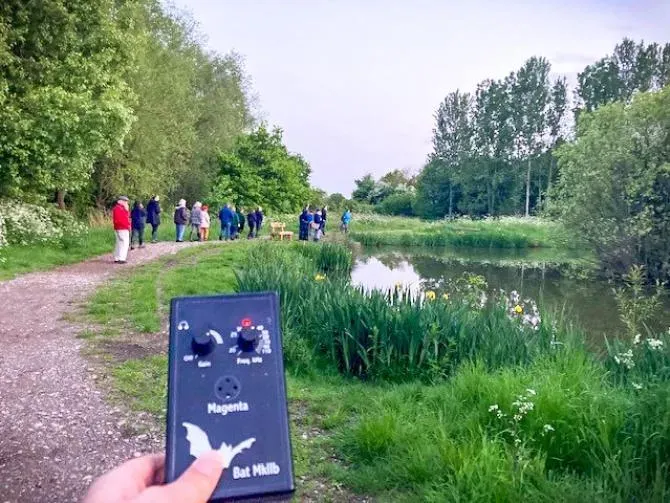
Third, shared pride. Bats in a church aren't a problem to be hidden — they're a living link to centuries of continuous wildlife use of the same site. Parishes that celebrate their bats, with noticeboards, guided twilight walks and school visits, tend to find the local community rallies around them.
Visiting Respectfully
If this has inspired you to explore your local churchyard, wonderful — many of these sites are peaceful, beautiful and free to visit. A few courtesies go a long way. Stick to footpaths and the churchyard itself, not the building's immediate surroundings. If you see bats emerging at dusk, watch from a distance without torches or lights. Keep dogs on leads, take litter home, and remember that churchyards are working burial grounds as well as nature reserves — treat them with the same respect you'd want for any memorial space.
If you spot bats at a church near you and would like to report it — or better still, get involved with surveying — do get in touch with us at Cleveland Bats. Our historic churches have sheltered bats for hundreds of years. With a bit of goodwill and better cooperation, there's no reason they can't for hundreds more.