The Midnight Buffet: Planting a Garden That Bats Can't Resist
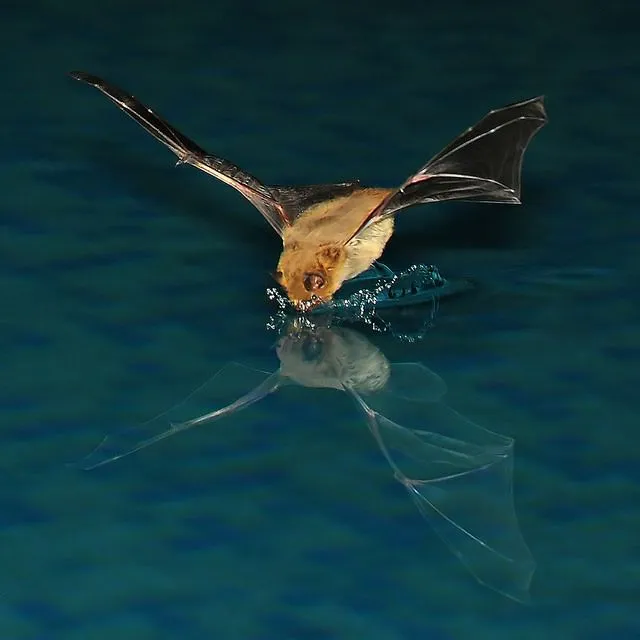
Photo: pipistrelle bat flying over garden pond at dusk UK, via i.pinimg.com
Stand in your garden at nine o'clock on a July evening and watch. If you're lucky — and if your garden is doing its job — you'll see it: a flicker of dark wings stitching the sky above the flowerbeds, a common pipistrelle hoovering up midges at a rate of several thousand a night.
If all you see is the security light coming on, don't despair. Bats were almost certainly foraging over Teesside's gardens long before ours were built, and with a few tweaks, yours can roll out the welcome mat too.
Start With the Moths
Here's the counterintuitive bit: if you want bats, plant for insects. Every British bat species eats invertebrates, and pipistrelles — our most common garden visitors — feast chiefly on midges, mosquitoes and small moths. So the single best thing you can do is grow flowers that feed night-flying insects.
Night-scented stock is the classic choice, and for good reason. Its perfume only releases after dark, precisely when its pollinators — and therefore the bats — are on the wing. Sow it cheaply from seed in spring and it'll reward you by August. Evening primrose, tobacco plant (Nicotiana) and honeysuckle scrambling over a fence all work the same fragrant magic.
Just as important is what you don't do. Go easy on the pesticides. A garden doused in bug spray is a restaurant with no food in the fridge. Let the daisies stay in the lawn, leave a corner a bit scruffy, and the insects — followed by the bats — will find you.
Water, However Small
A pond is the crown jewel of a bat garden. Pipistrelles drink on the wing, skimming low over open water, and a pond doubles the insect life of a garden almost overnight.
It doesn't need to be a landscaping project. Members of our group have created perfectly serviceable ponds from old Belfast sinks, sunken trugs and, in one memorable case in Norton, a washing-up bowl half-buried beneath the rhubarb. Add a few marginals like water mint and forget-me-not, make sure one side shelves gently so creatures can climb out, and wait. Within a season or two you'll have dragonflies, and above them at dusk, bats.
Boxes: Worth the Screws?
Bat boxes can help, particularly in newer estates where mature trees are thin on the ground. Mount them high — three to five metres, on a wall or trunk — with a clear flight path and some morning sun. A wooden box from a reputable supplier costs less than a garden centre shrub, or build your own from untreated rough timber.
A word of honesty from your friendly local bat group: boxes are a lottery ticket. Some are occupied within weeks; some sit empty for years. They're a supplement to good habitat, never a substitute for it. Plant the flowers, dig the pond, and treat the box as a bonus.
The Light Problem
If there's one thing you take away from this article, let it be this: outdoor lighting is the quiet enemy of garden bats. Floodlights and bright porch lamps can push bats away from areas they've used for generations, forcing them to commute further for less food.
You don't have to sit in the dark. Use motion sensors rather than constant lighting, choose warm-white bulbs under 3000K, fit hoods to direct light downwards, and position lights away from flight paths along hedgerows and fence lines. Your neighbours' cats will still be visible; the bats will thank you.
Two Gardens, Transformed
Margaret in Stockton turned a bare new-build lawn into a honeysuckle-and-pond garden over three years. "The first summer, nothing. The second, we counted two pipistrelles most evenings. Now we get a proper display over the pond — it's better than telly."
Meanwhile, Derek and Ann in Guisborough left their shaded rear border to go wild, and were rewarded with brown long-eared bats — a species that prefers quieter, shadier haunts and is a genuinely exciting garden record. "We only knew because our granddaughter brought a bat detector round," Derek says. "All this time, they'd been there."
A Cleveland Planting Calendar
Autumn: Plant spring bulbs, order bare-root honeysuckle, leave seed heads standing for overwintering insects.
Winter: Plan and dig new ponds while the ground is soft; put up bat boxes in the dormant season.
Spring: Sow night-scented stock, evening primrose and tobacco plant indoors; stop cutting back 'untidy' corners.
Summer: Mulch with peat-free compost, top up ponds in dry spells, and — best of all — sit outside at dusk and count your visitors.
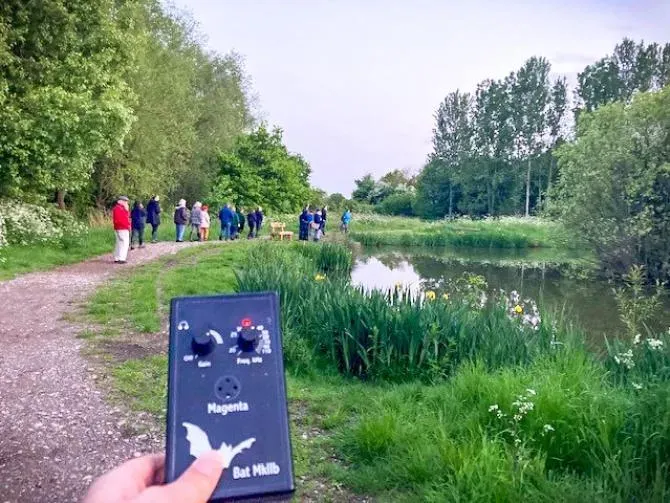
If you'd like help identifying what's already visiting your garden, our volunteers run informal detector sessions through the warmer months. Get in touch through the website — and happy planting.