Sermons and Swoops: Life With the Bats Who Never Leave Church
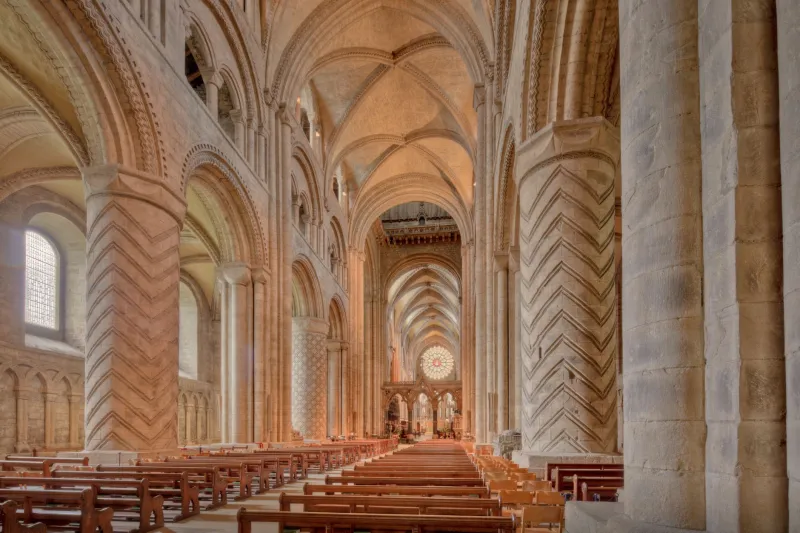
There's a moment at St Cuthbert's, just as the vicar reaches the final blessing, when a dark shape detaches itself from the beam above the nave and performs a lazy lap of the chancel. Nobody flinches. A few of the regulars don't even look up. The bat, a soprano pipistrelle by the sound of her, has been doing this for years — long enough that the congregation has a name for her, and long enough that the flower-arranging rota simply works around her.
If you've never sat in a centuries-old church at dusk while the lights of a bat detector pick up 55 kHz chatter overhead, it's hard to explain quite how ordinary it feels once you've been there a few times. But for the people who look after Cleveland's historic churches, that ordinariness is hard-won.
Three Churches, Three Compromises
We spent a recent week visiting three churches across the area, each with a well-established colony, each handling it differently.
At the first, a small village church on the edge of the Cleveland Hills, the approach is cheerful surrender. Droppings on the Victorian pews are dealt with by a team of volunteers armed with dust sheets and a rota. "You learn which pews to avoid in summer," one warden told us, laughing. "The regulars know. It's become a sort of inside joke — the bat seats."
The second church has taken a more engineered approach. After a faculty-approved roof repair a few years back, the contractors installed discreet access gaps along the soffits, designed so bats can come and go but stay out of the main worship space. The roost remains in the roof void; the congregation gets its aisle back. It cost money, and it took patience — but the colony stayed, which is the whole point.
The third has gone for what you might call the soft furnishings solution. Heavy drapes now hang along the sides of the nave, catching most of the droppings before they reach anything precious. The organ is covered after every service between May and September. And a laminated sheet by the door explains to visitors exactly who else is in the building — complete with a QR code linking to the church's own bat page.
Why Churches Matter So Much
It's easy to see churches as a problem to be managed. From a bat's perspective, though, they're some of the best real estate in the landscape.
Think about what a typical Cleveland parish church offers: a thick stone or slate roof with decades of accumulated warmth, a dry interior with stable temperatures, high entrance points that predators struggle to reach, and — crucially — a surrounding churchyard that's often the least intensively managed land in the parish. Long grass, old trees, hedgerows. It's a feeding and roosting package that modern farmland and housing estates simply can't replicate.
Species like the soprano pipistrelle, brown long-eared bat and even the occasional Natterer's have all been recorded roosting in churches across the region. For some colonies, the church is the only suitable building for miles.
The Solutions Are Getting Better
The old narrative — bats versus heritage, pick a side — is genuinely out of date. Natural England and organisations like the Bats in Churches project have spent years developing practical guidance, and the results are visible here on our doorstep.
The interventions we saw range from the simple to the clever:
- Timed access — one-way devices used briefly outside the maternity season to encourage colonies out of sensitive areas
- Heated bat boxes mounted externally, giving colonies an alternative roosting space during repairs
- Repointing with lime mortar rather than cement, keeping old roost crevices usable
- Dust sheeting and scheduling — the unglamorous but effective option of simply timing cleaning around the bats
None of this is a lottery win for the building, and all of it requires a bat licence when work might disturb a roost. But the churches doing it well have discovered something unexpected: the bats have become part of their story. One vicar admitted that visitor numbers have gone up, not down, since a small display about the colony appeared in the porch.
What You Can Do
If your local church has bats and the relationship is turning sour, the worst thing anyone can do is take matters into their own hands. All UK bat species are legally protected, and disturbing a roost — even accidentally — carries real consequences. The right first step is always advice: from us, from Natural England, or from the Bats in Churches project.
And if you'd like to see the phenomenon for yourself? Several of our member churches are happy to arrange evening visits during the summer, once the service calendar allows. Bring a detector, sit quietly at the back, and watch the aisles empty in more ways than one as the light goes.
Just mind the bat seats.