Victorian Engineering, Modern Roosts: Where Cleveland's Bats Have Moved In
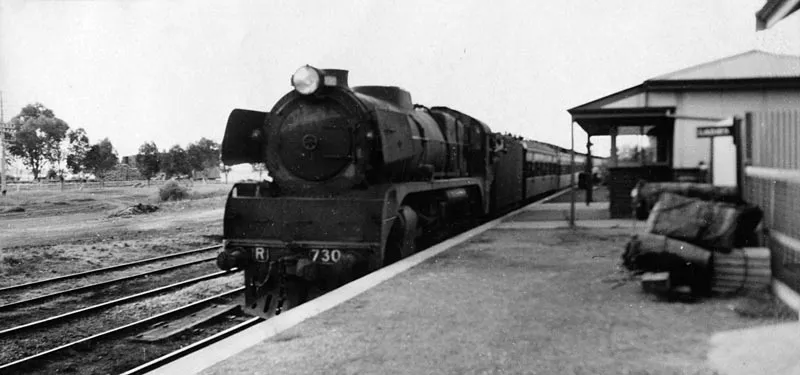
Photo: Unknown, Public domain, via Wikimedia Commons
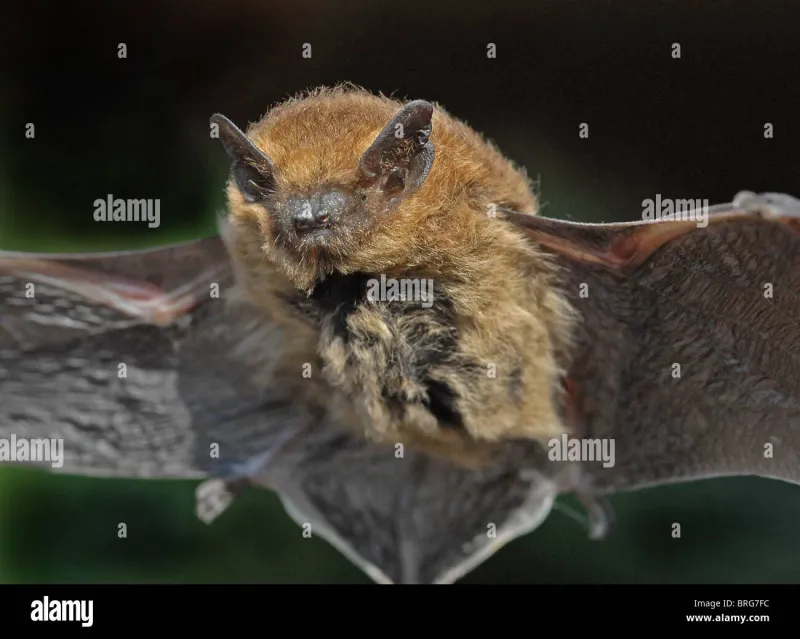
There's a particular kind of magic in standing at the mouth of a disused railway tunnel as dusk settles over the Cleveland Hills. The air cools. The traffic noise fades. And then, right on cue, the first pipistrelle flickers past your head and out into the gloaming.
It's easy to assume that bats need ancient woodland, ragged hedgerows and hollow oaks to survive. Some do. But spend any time with the Cleveland Bats volunteer team and you'll quickly learn that some of our most reliable roosts are made of brick, iron and Victorian ambition.
The Tunnel Network Nobody Planned for Bats
When the railways came through Teesside in the 1800s, engineers blasted and bricked their way through anything in the way. Tunnels were driven through the hills, viaducts straddled the valleys, and culverts were built to channel streams beneath embankments. When the lines closed — as so many did in the Beeching era — the infrastructure was left to quietly decay.
And that's precisely the point. What looks like neglect to a planner looks like a five-star hotel to a bat.
Railway tunnels are, in roosting terms, close to perfect. They maintain a stable internal temperature year-round, offer high humidity, provide a range of crevice widths in old brickwork and mortar joints, and — crucially — they're dark and undisturbed. A Natterer's bat or a brown long-eared bat hunkering down for hibernation wants exactly that: darkness, stillness, and a temperature that barely shifts between October and March.
Culverts are the unsung heroes of this story. These drainage structures, often little more than a brick arch over a stream, are used by Daubenton's bats as night roosts and feeding perches. Watch a calm stretch of water under an old culvert on a summer evening and you may see that distinctive, mouse-like flight pattern skimming the surface, snatching midges and mayflies as it goes.
A Map-Maker's Tour of Industrial Bat Country
While we can't publish precise roost locations — that would be irresponsible, and possibly illegal — we can point you towards the kinds of places worth surveying, walking past or volunteering to monitor.
Disused railway lines. Cleveland and the wider Tees Valley are criss-crossed with old trackbeds, many now converted to footpaths and cycleways. Look for short tunnels, deep cuttings with shaded brick faces, and any structure where a line crossed a road or watercourse. These corridors often double as commuting routes, giving bats a sheltered, insect-rich highway between roost and feeding ground.
Old bridges. The older the better. Stone and brick bridges with mortar joints, lifted copings, and gaps behind ivy or behind the arch rings are classic crevice-roost territory. Pipistrelles in particular favour the tight gaps under bridge decks and behind hanging vegetation. Bridges over the Leven, the Esk tributaries and the smaller becks feeding the Tees are all worth a second look.
Culverts and mill remains. The industrial history of Teesside isn't just railways — it's water mills, ironworks, and drainage systems. Anywhere an old structure meets running water, you've got habitat. Culverts with a dry ledge above the water line are especially valuable as night roosts.
Viaducts and abutments. The tall brick piers of disused viaducts offer sheltered nooks on their landward faces, out of the rain and warmed by the afternoon sun — ideal for maternity roosts of soprano pipistrelles.
If you fancy getting properly involved, our summer survey programme pairs volunteers with experienced licensed bat workers to monitor exactly these kinds of sites. No experience needed, just patience and a decent thermos.
An Uncomfortable Opinion: Stop Apologising for the Built Landscape
Here's something we feel strongly about, and it divides opinion even within conservation circles.
There's a tendency in nature writing to frame built structures as the problem — as scars on the landscape that bats merely tolerate. We think that's not just wrong, it's strategically unhelpful.
The reality is that Teesside's industrial heritage has created habitat that simply doesn't exist in the surrounding countryside. Intensively farmed land offers little for bats: few roost features, fewer insects. A Victorian tunnel, by contrast, may hold more hibernating bats in a single winter than several kilometres of hedgerow.
This matters for how we campaign. If we only ever talk about bats needing 'natural' habitat, we risk overlooking — and undervaluing — the structures that actually sustain them. When an old bridge is scheduled for repair or a disused line is redeveloped, we need planners and engineers to understand that these aren't just heritage assets. They're living roosts, protected by law and vital to local populations.
Embracing our built landscape also opens conservation up to new audiences. A former steelworker who spent forty years around the blast furnaces might not feel drawn to a woodland reserve, but tell him that the tunnel behind his childhood home shelters hibernating Natterer's bats and you've got an ally for life. Conservation that only celebrates the picturesque is conservation with one hand tied behind its back.
None of this means we stop planting trees, restoring hedgerows or defending ancient woodland. Of course not. It means we widen the lens. Bats are opportunists, and in a landscape as thoroughly shaped by industry as ours, opportunity often wears a hard hat.
How You Can Help
If you know of a disused structure near you — a tunnel, a culvert, a crumbling bridge — we'd love to hear about it. Report it through our website and our survey team will add it to the monitoring list. And if you'd rather see these places for yourself, keep an eye on our events page for guided dusk walks along some of Teesside's old railway paths. Bring a bat detector if you have one. If you don't, we'll lend you one and ruin you for ordinary evening walks forever.